
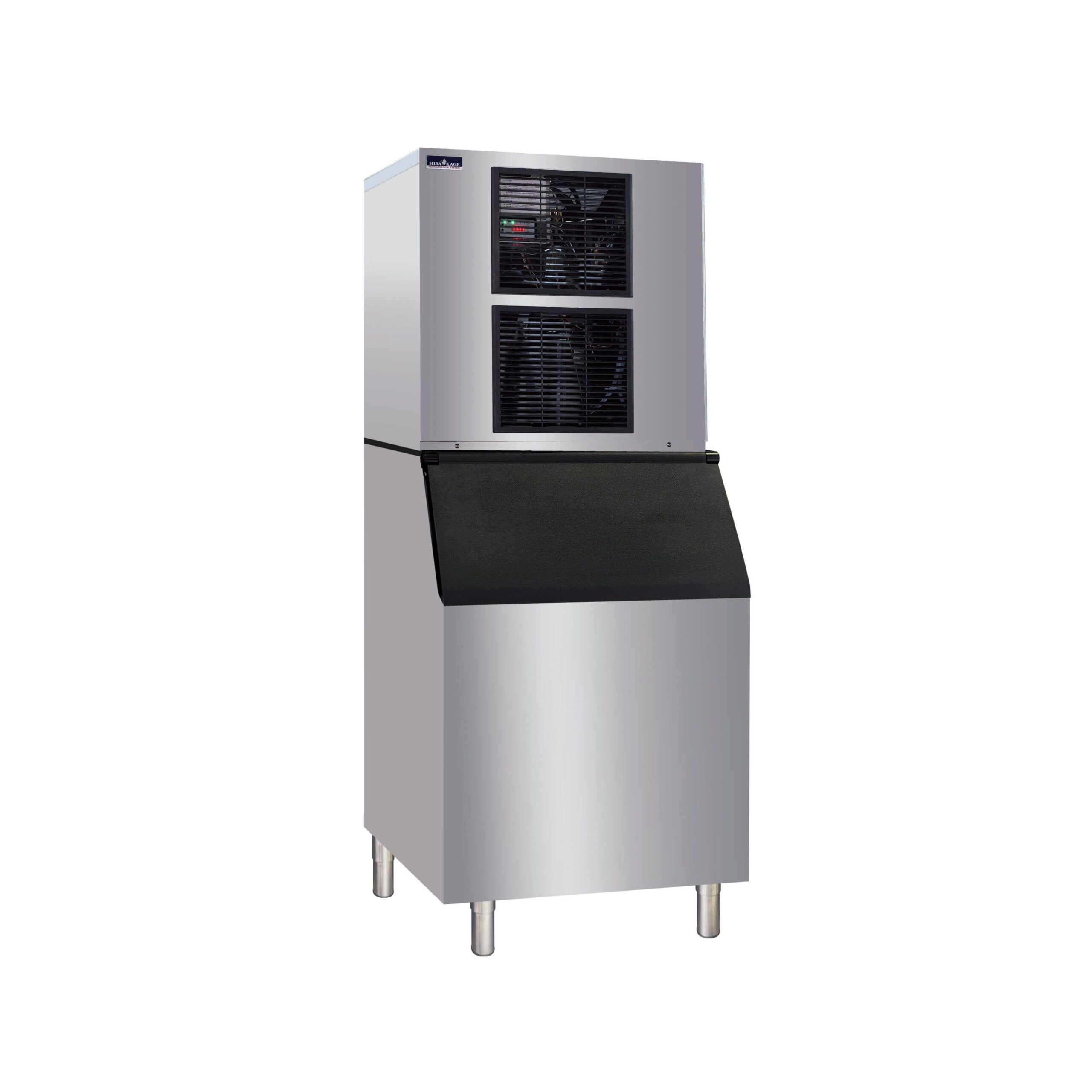
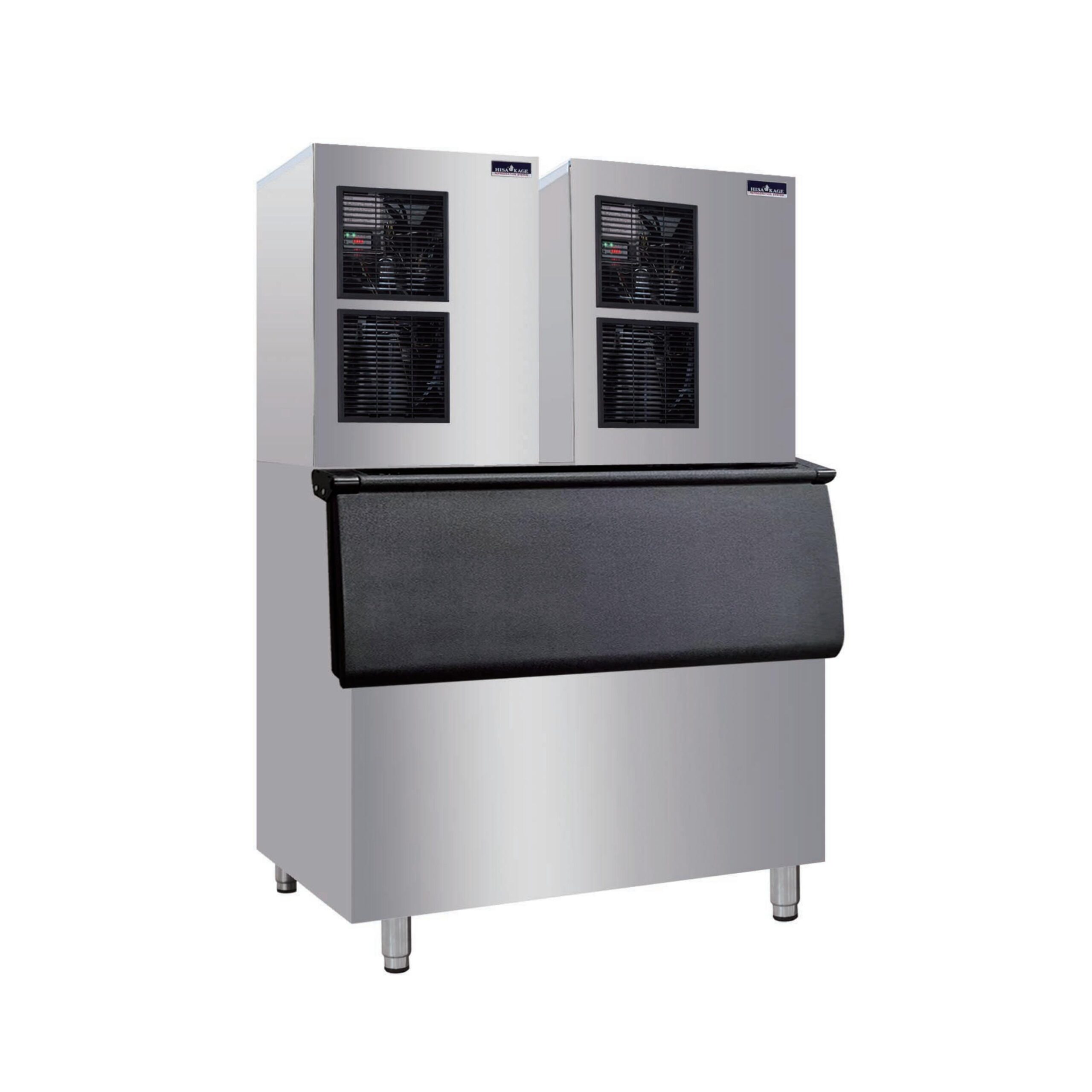
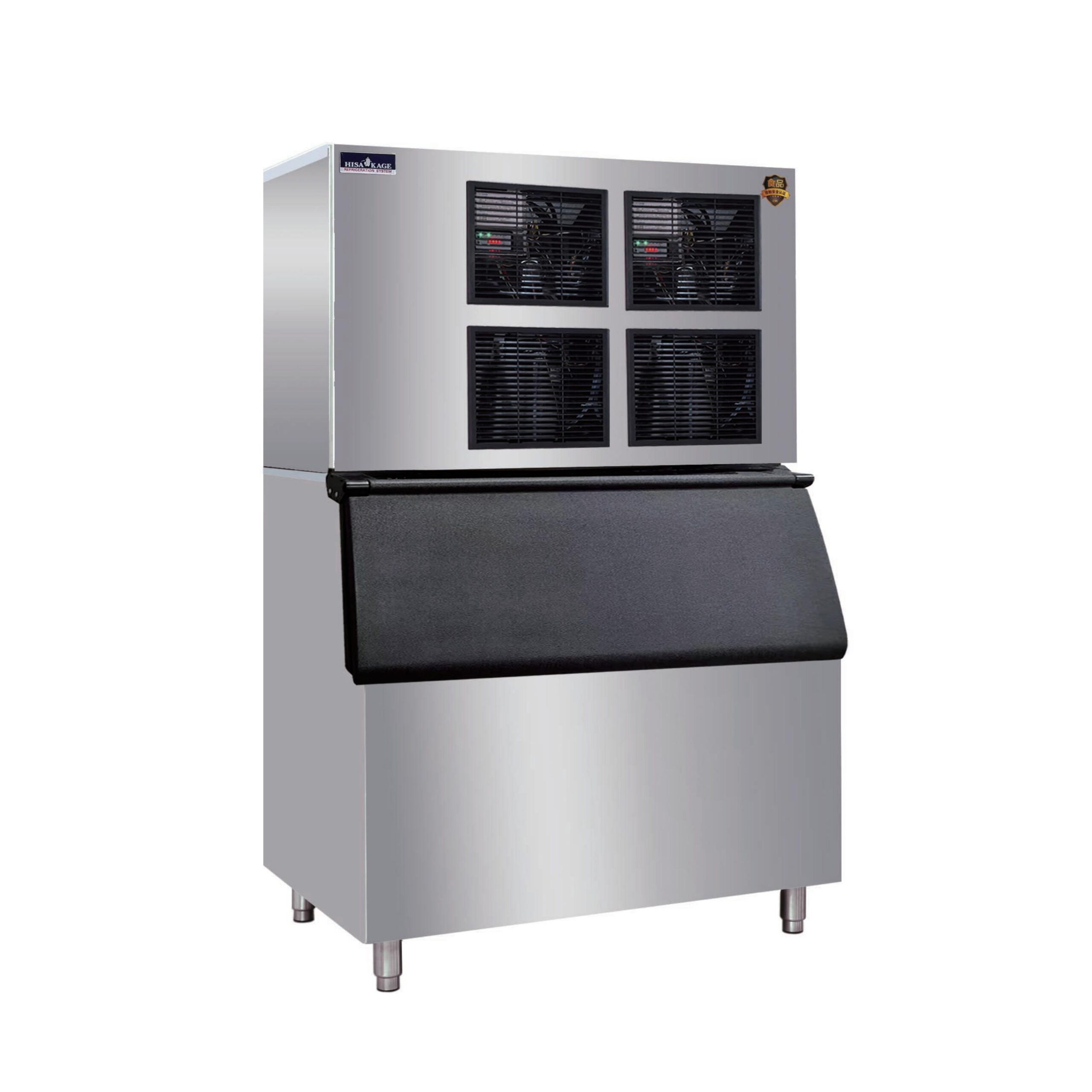
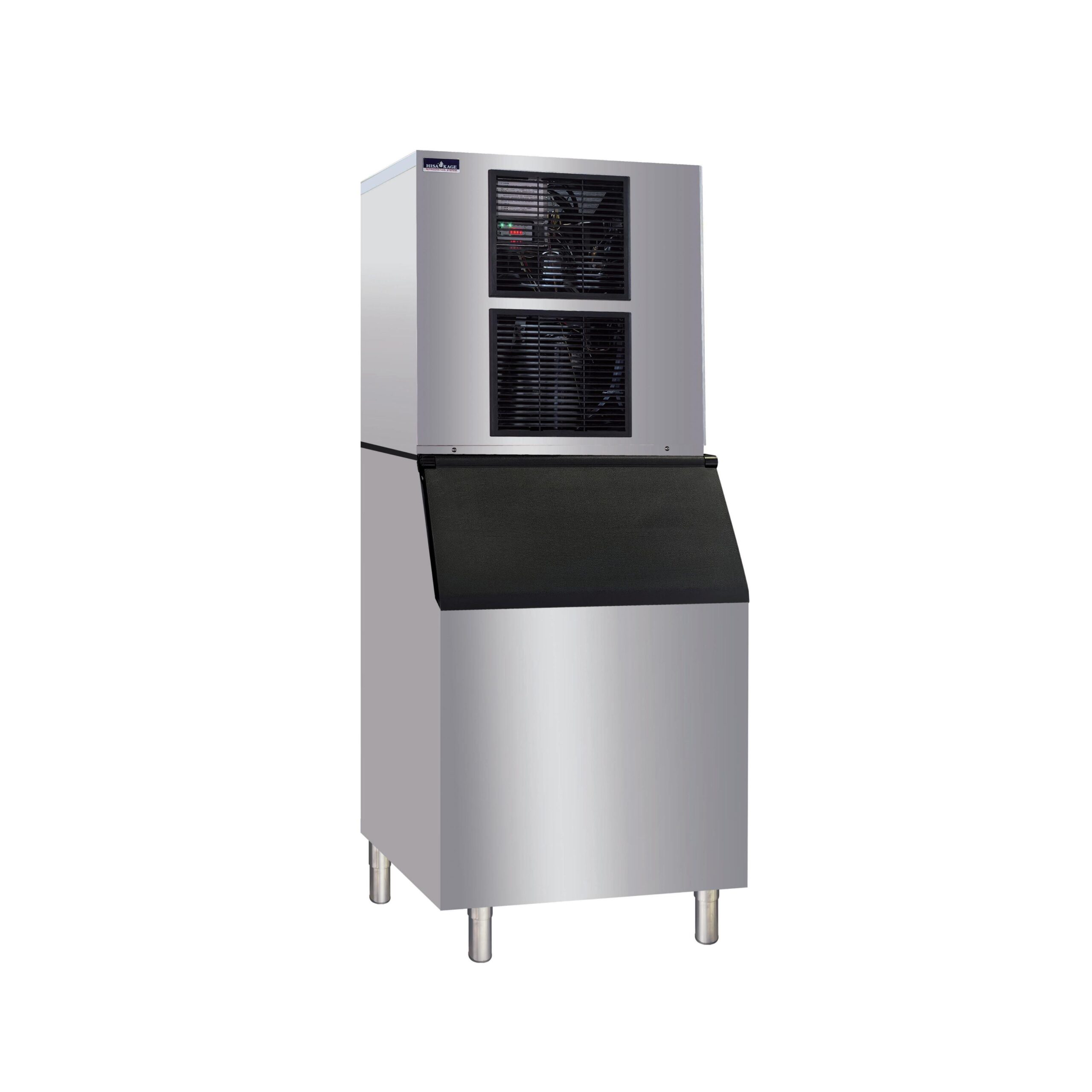
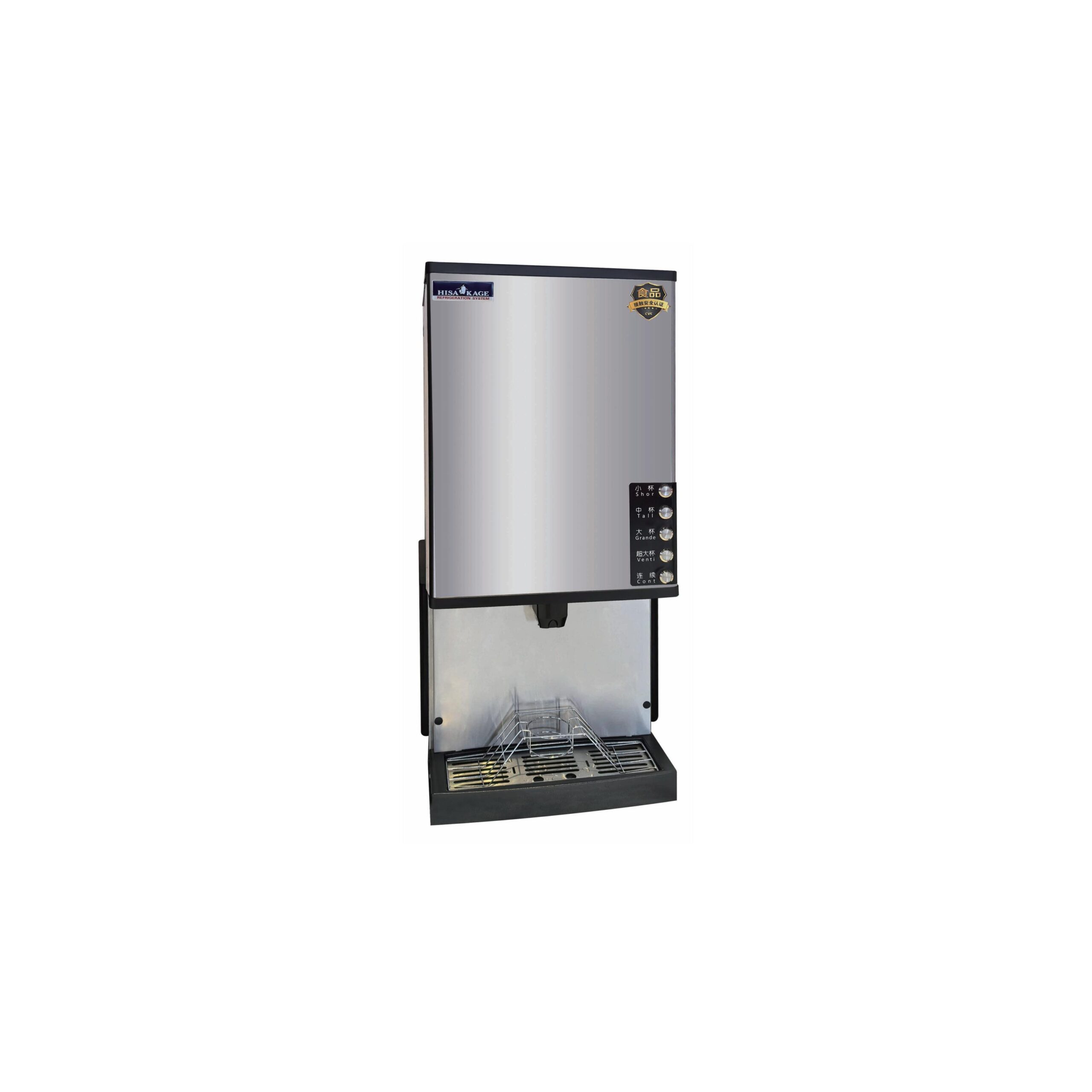
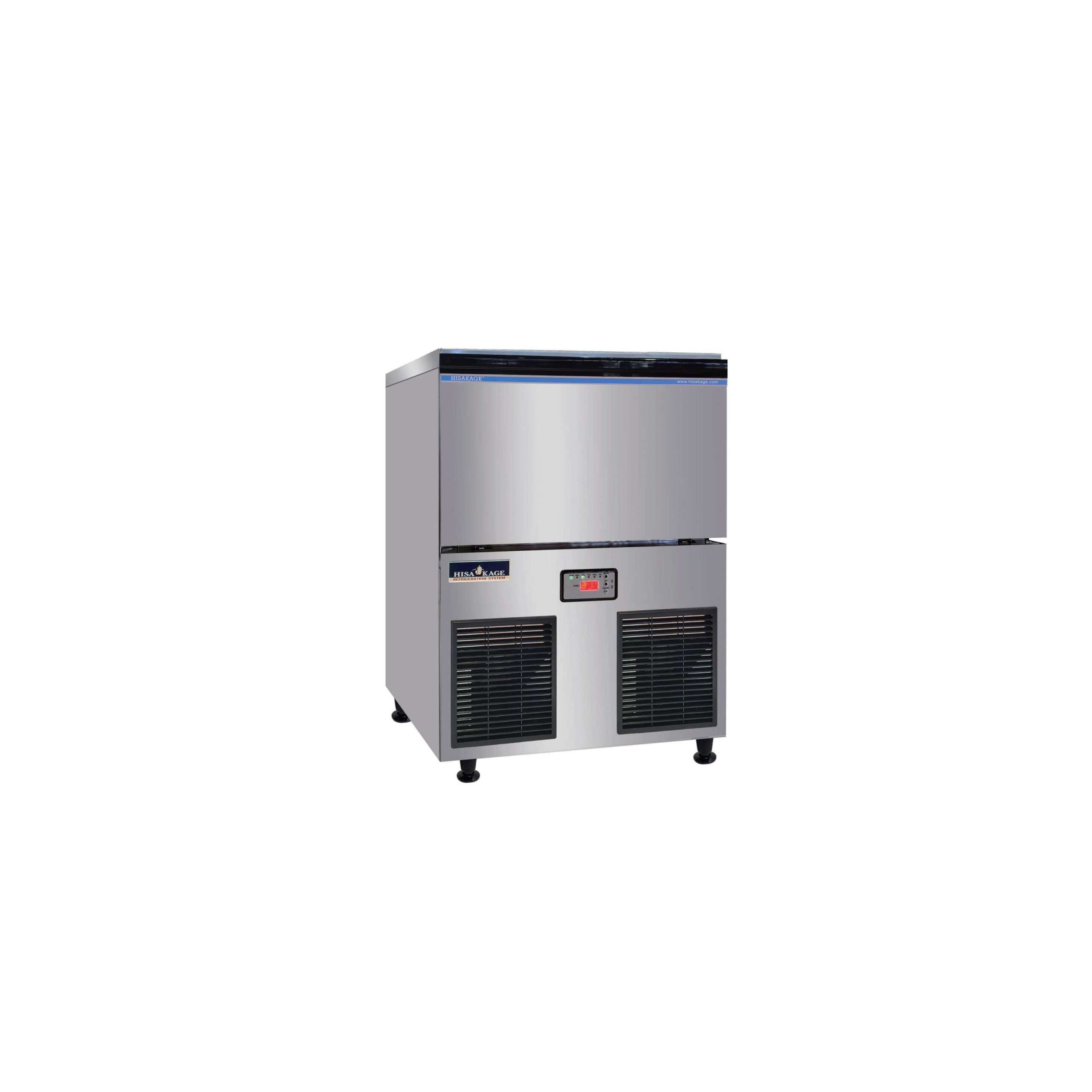
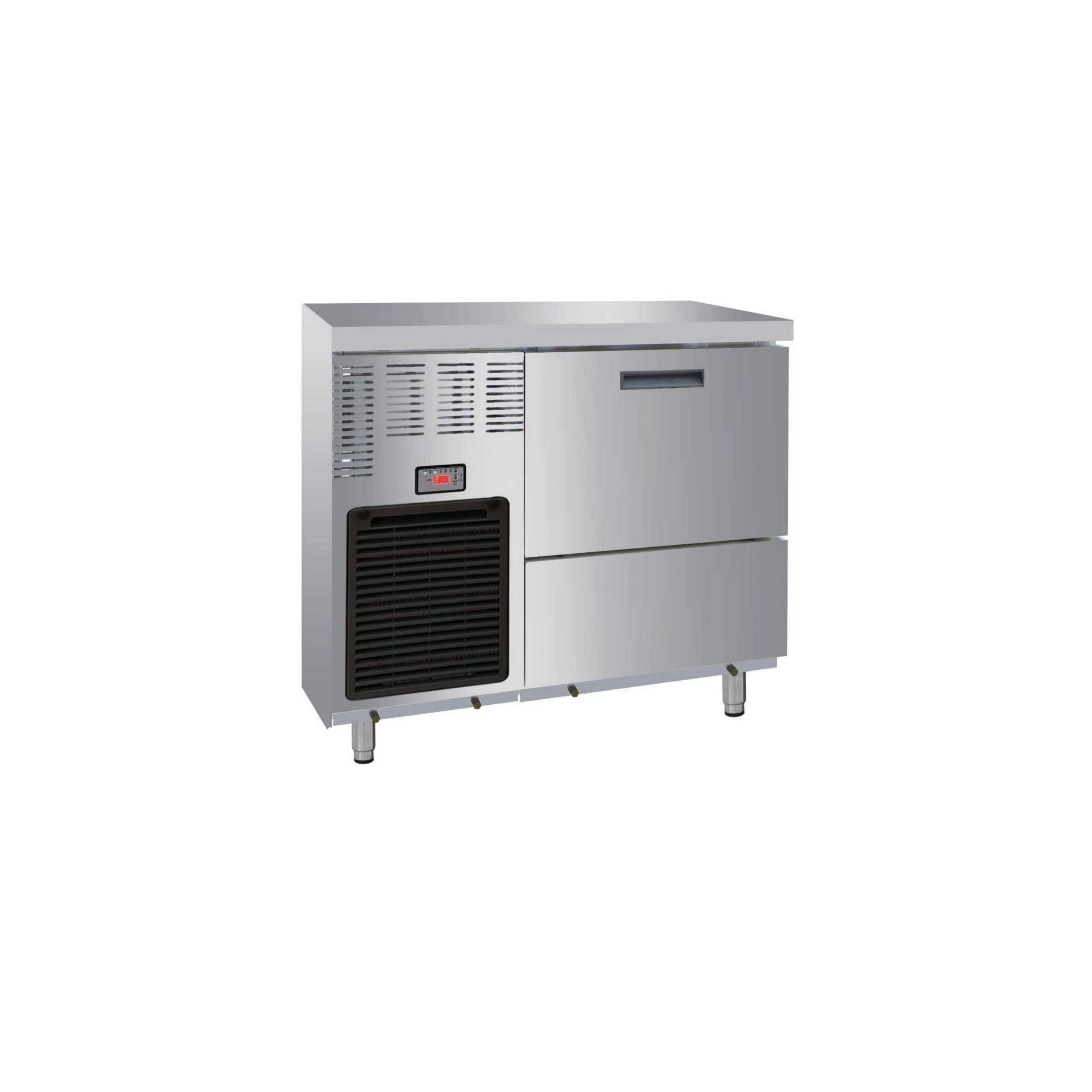
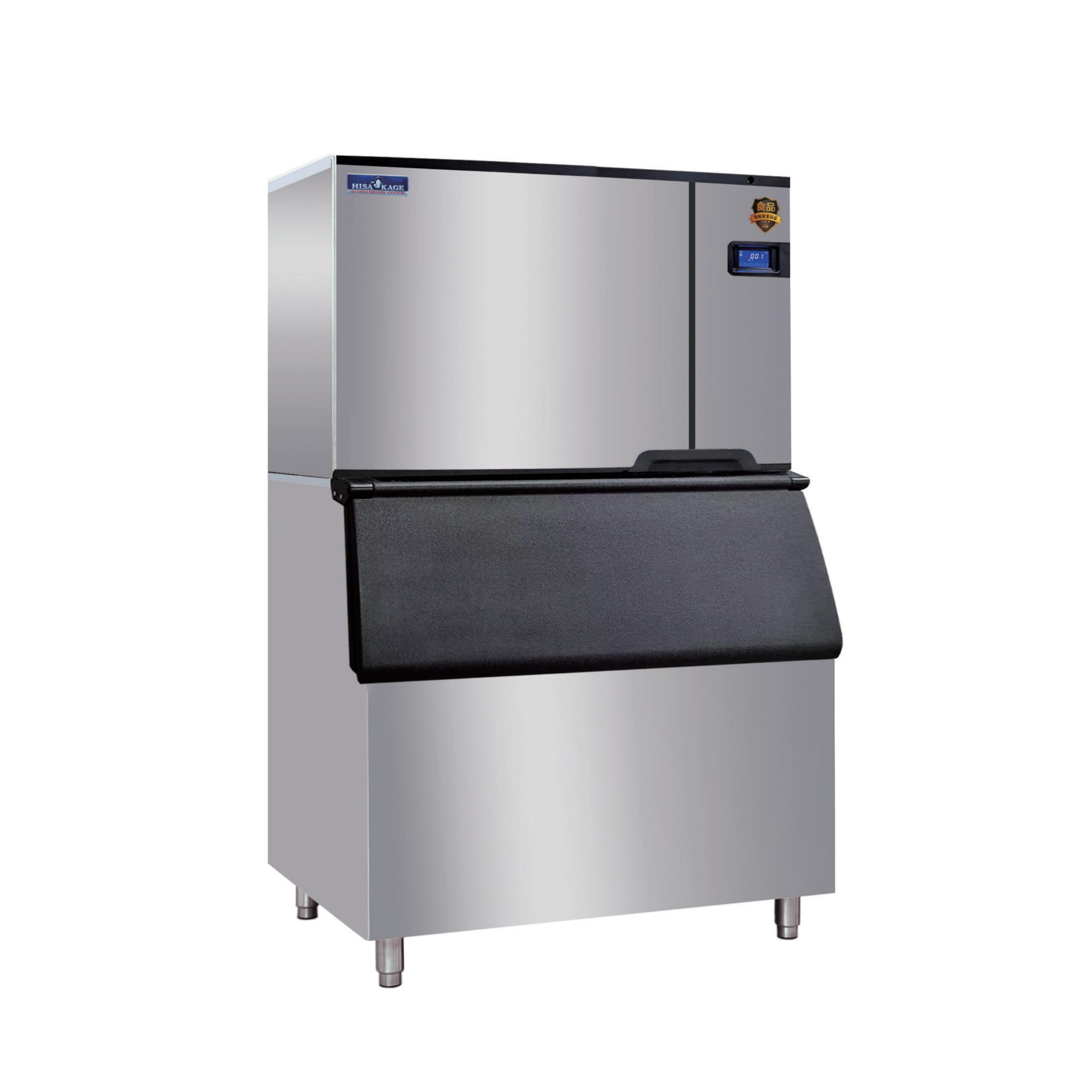
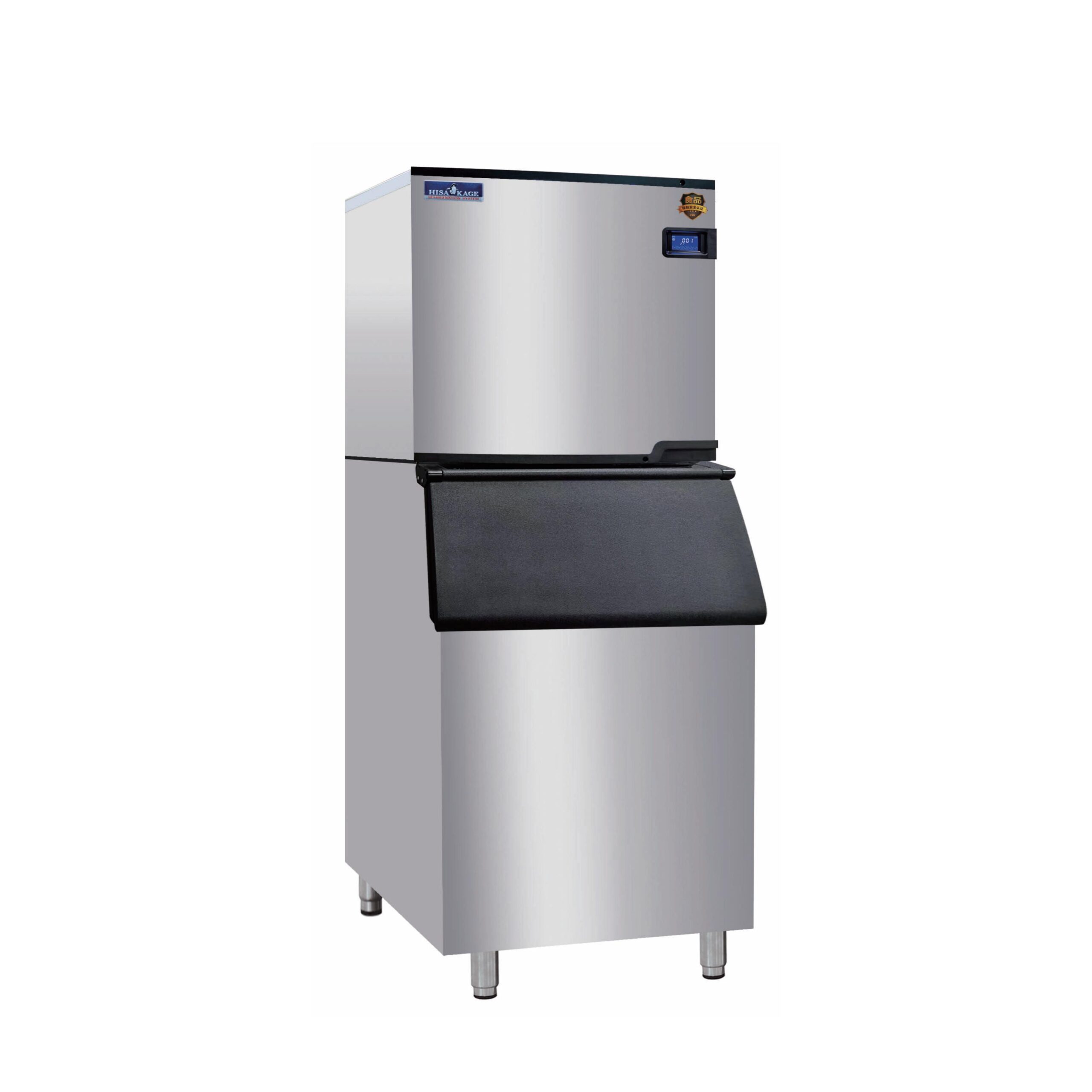
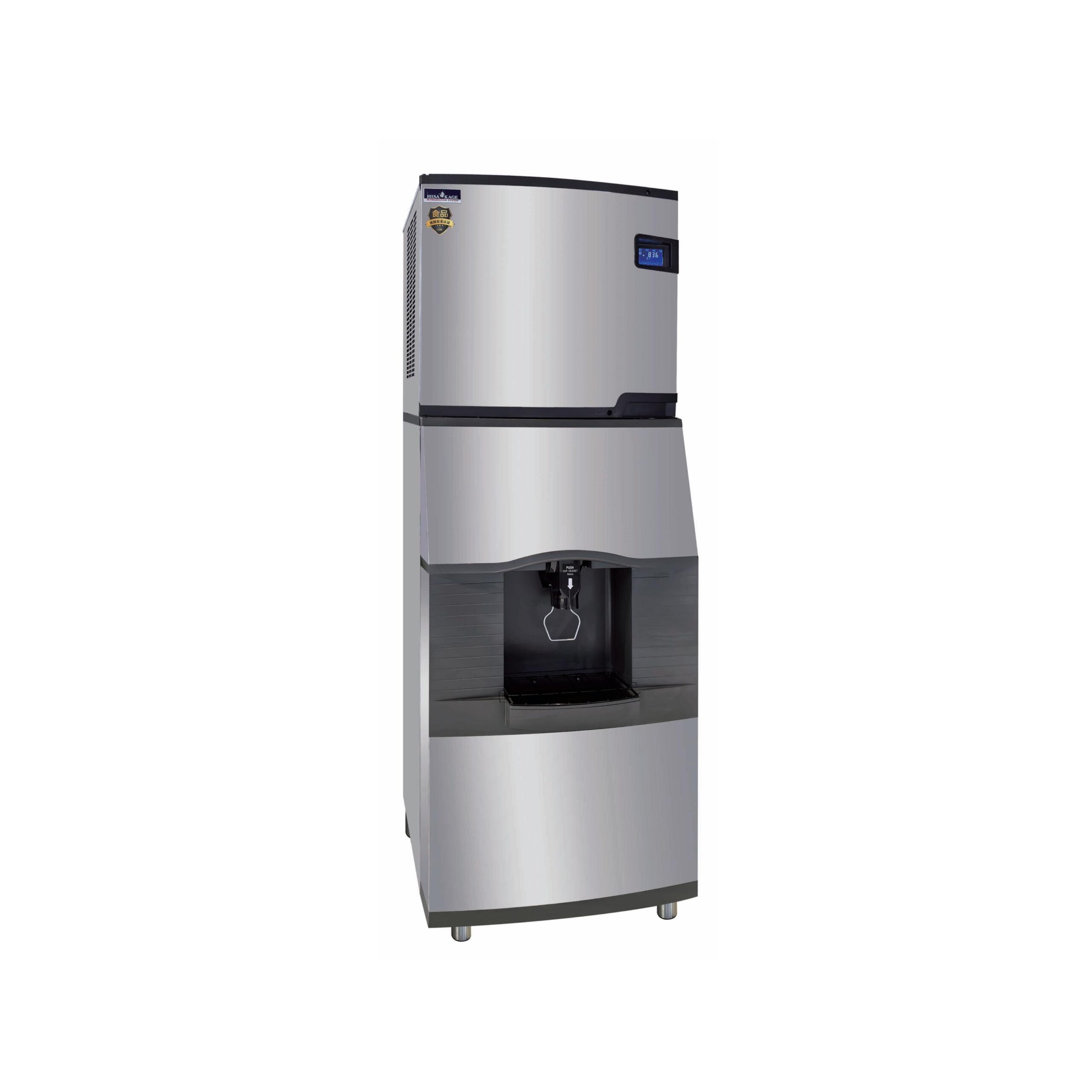
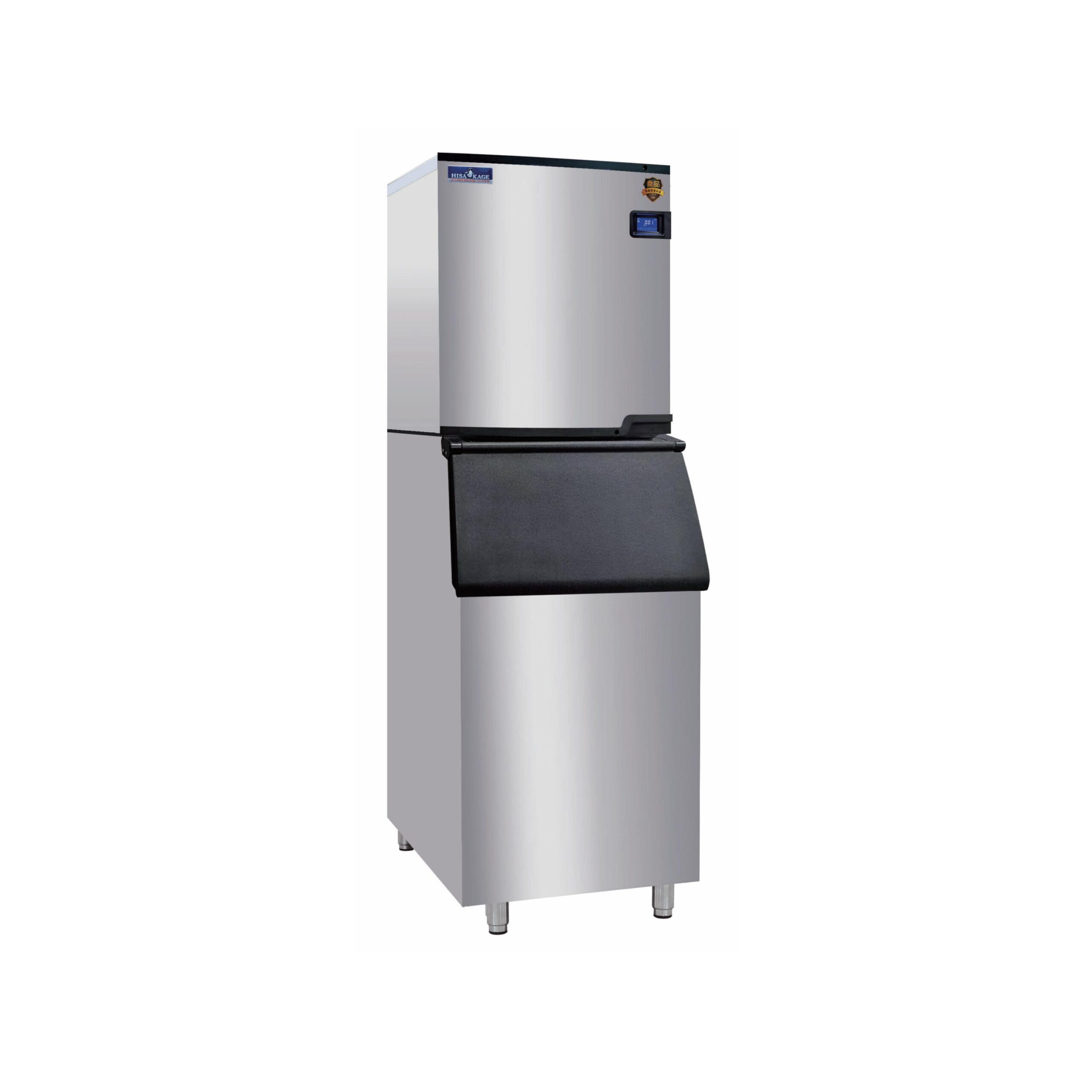
H-│-560W×580D×(74565)H-│-660W×670D×(830100)H-│-760W×670D×(830100)H-scaled.jpg)
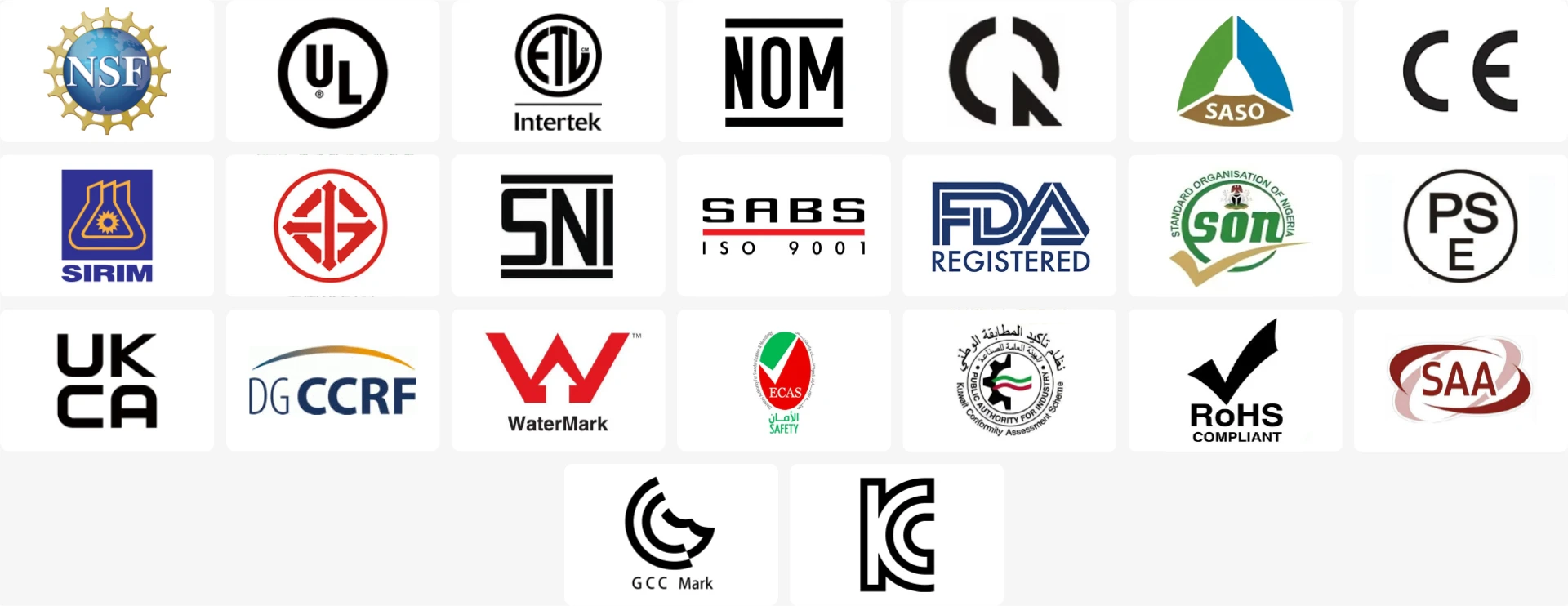
We are committed to delivering quality and reliability across all our products. Our certifications demonstrate compliance with international standards, guaranteeing safety, durability and environmental responsibility. Please review our certifications below to learn more about every detail of our quality system.
Ice Maker
Certifications & Compliance
Frequently Asked Questions
Answer: The ice maker automatically fills with water via an inlet valve, directing it into the ice tray of the evaporator coil. The compressor cools this area to freezing temperatures, causing the water to solidify into ice cubes. Excess water that does not freeze flows back into the reservoir for reuse. Once the ice cubes are fully formed, the machine automatically ejects them, and they drop into the storage bin below.
Answer: First, water automatically flows into the machine's bottom reservoir. Second, a water pump circulates the water to the ice mold, where the cooling system continuously chills it to form ice cubes. Third, once the ice is frozen, the machine initiates a thermal defrost cycle, causing the ice cubes to automatically release into the storage bin. Fourth, excess water returns to the reservoir, and the machine repeats the cycle to continue ice production.
Answer: Ice makers are primarily categorized into two types: commercial and household models. Commercial models are suitable for bubble tea shops, restaurants, and hotels, as they produce a high volume of ice daily and are designed for 24-hour continuous operation. Small household models are compact, making them ideal for homes and small bars. Additionally, they can be classified by installation style into two types: countertop and floor-standing.
Answer: The ice-making efficiency of an ice maker depends on the ambient temperature and humidity. Higher temperatures increase the cooling pressure on the machine, which subsequently reduces the daily ice production capacity. Commercial ice makers are engineered with larger condensers and high-power cooling fans to ensure stable heat dissipation even in hot and humid kitchen environments, thereby guaranteeing consistent ice production.
Answer: Ensure adequate ventilation space around the unit, clean the condenser filter weekly, clean the water inlet filter every two weeks, clean the ice storage bin daily, and descale the water system every three months.
Answer: Wipe down the unit, ice storage bin, and ice scoop daily after unplugging the power. Clean the condenser dust filter weekly. Use a specialized cleaning agent to circulate through and clean the water system and evaporator every 2-3 months to remove scale, then rinse away any residue with clean water.
Request for Quotation
Contact our experts to find the best solution for your requirements.